
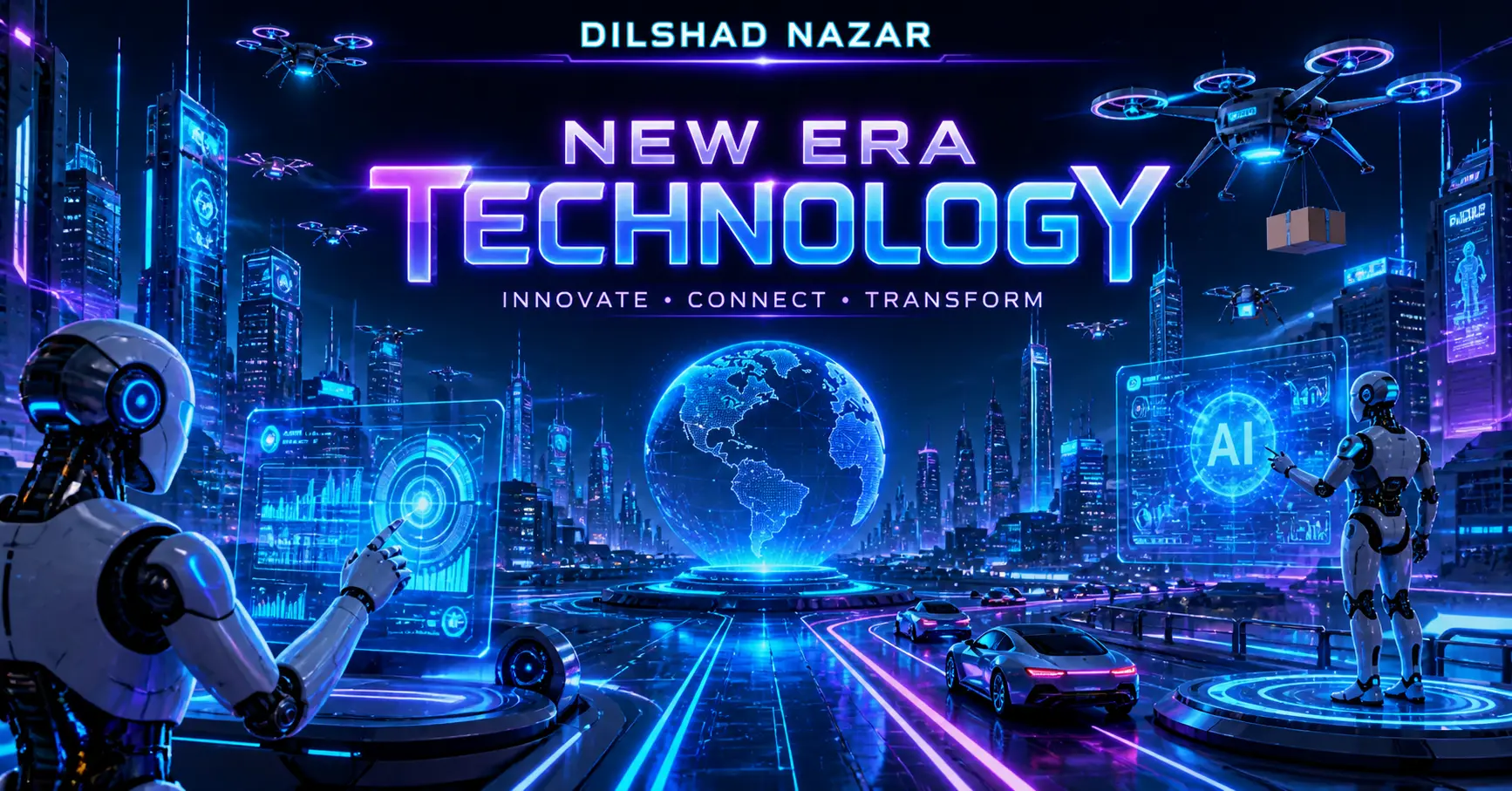
The world is entering a powerful new phase often described as the new era of technology This era is defined by rapid innovation, intelligent systems, and a deep integration of technology into everyday life. From artificial intelligence to smart devices, technology is no longer just a tool it has become a partner in human progress.
In earlier times, technology was mainly about machines and mechanical systems. Today, it is about intelligence, connectivity, and automation. The new era is not just changing industries but also transforming how people live, work, learn, and interact with the world around them. This transformation is happening at a speed never seen before, making it essential to understand what this new era truly means.
What is New Era Technology?
New era technology refers to advanced digital innovations that rely on data, automation, and connectivity to improve efficiency and solve complex problems. These technologies are smarter, faster, and more adaptive compared to traditional systems.
The key idea behind this era is simple: make systems intelligent enough to think, learn, and improve on their own. Instead of humans controlling every step, machines now assist or even automate tasks.
The main characteristics of new era technology include:
- Intelligence through AI and machine learning
- High-speed connectivity using modern networks
- Automation of repetitive tasks
- Real-time data processing
- Integration across multiple platforms and devices
These features make modern technology more powerful and useful than ever before.
The Rise of Artificial Intelligence
Artificial Intelligence (AI) is one of the most important pillars of new era technology. AI enables machines to learn from data, recognize patterns, and make decisions with minimal human involvement.
AI is already being used in many areas such as healthcare, education, business, and entertainment. It helps doctors diagnose diseases, assists students in learning, and supports businesses in making better decisions.
Some major applications of AI include:
- Chatbots and virtual assistants
- Image and speech recognition
- Personalized recommendations
- Predictive analytics
- Autonomous systems like self-driving cars
AI is not just improving efficiency but also opening new opportunities for innovation.
Internet of Things (IoT)
The Internet of Things refers to a network of connected devices that communicate with each other through the internet. These devices collect and share data to improve performance and convenience.
In the new era, IoT is making homes, cities, and industries smarter. Everyday objects such as refrigerators, cars, and even lights can now be connected and controlled remotely.
Common uses of IoT include:
- Smart homes with automated lighting and security
- Wearable devices like fitness trackers
- Smart agriculture systems for better crop management
- Industrial automation and monitoring
- Smart cities with efficient traffic and energy systems
IoT is helping create a more connected and efficient world.
Cloud Computing
Cloud computing has changed how data is stored and accessed. Instead of relying on physical storage devices, users can store and access data online through cloud platforms.
This technology allows businesses and individuals to work from anywhere, collaborate easily, and scale their operations without heavy investment in hardware.
Key benefits of cloud computing are:
- Remote access to data and applications
- Cost-effective storage solutions
- Easy scalability
- Enhanced data security
- Improved collaboration tools
Cloud computing is the backbone of many modern technologies, including AI and IoT.
Blockchain Technology
Blockchain is a decentralized system that records transactions securely and transparently. It is best known for its use in cryptocurrencies, but its applications go far beyond digital money.
This technology ensures that data cannot be altered once it is recorded, making it highly secure and trustworthy.
Important uses of blockchain include:
- Secure financial transactions
- Supply chain tracking
- Digital identity verification
- Smart contracts
- Data security systems
Blockchain is transforming how trust and transparency are maintained in digital systems.
5G and Advanced Connectivity
The new era of technology is powered by fast and reliable internet connections. 5G technology provides high-speed data transfer, low latency, and better connectivity for multiple devices.
With faster internet, technologies like AI, IoT, and cloud computing can perform more efficiently. It also supports innovations such as smart cities, remote surgeries, and virtual reality experiences.
Advantages of 5G include:
- Faster download and upload speeds
- Reduced delays in communication
- Better support for connected devices
- Enhanced user experience in streaming and gaming
- Improved performance of smart systems
Connectivity is the foundation that supports all other technologies.
Robotics and Automation
Robotics is another major part of the new era. Robots are no longer limited to factories; they are now used in healthcare, education, and even households.
Automation allows machines to perform tasks without human intervention, increasing efficiency and reducing errors.
Common applications of robotics and automation include:
- Industrial manufacturing
- Medical surgeries using robotic systems
- Warehouse management
- Customer service robots
- Household cleaning robots
These technologies save time and improve productivity in many sectors.
Virtual Reality and Augmented Reality
Virtual Reality (VR) and Augmented Reality (AR) are changing how people experience digital content. VR creates a fully immersive environment, while AR overlays digital information onto the real world.
These technologies are widely used in gaming, education, training, and marketing.
Uses of VR and AR include:
- Virtual classrooms and training simulations
- Gaming and entertainment
- Real estate virtual tours
- Medical training
- Interactive shopping experiences
They provide engaging and interactive experiences that were not possible before.
Big Data and Analytics
In the new era, data is considered one of the most valuable resources. Big data refers to large volumes of data that can be analyzed to gain useful insights.
Organizations use data analytics to understand customer behavior, improve services, and make informed decisions.
Key benefits of big data include:
- Better decision-making
- Improved customer experience
- Predictive analysis for future trends
- Efficient business operations
- Risk management
Data-driven strategies are essential for success in today’s digital world.
Cybersecurity in the Modern Age
As technology advances, security becomes more important. Cybersecurity protects systems, networks, and data from digital attacks.
With more people and businesses relying on digital platforms, the risk of cyber threats is increasing.
Important aspects of cybersecurity include:
- Data encryption
- Secure authentication methods
- Network protection systems
- Threat detection and prevention
- User awareness and training
Strong cybersecurity measures are necessary to ensure trust and safety.
Impact on Different Industries
different industries New era technology is transforming various industries in unique ways. It is improving efficiency, reducing costs, and creating new opportunities.
Healthcare has become more advanced with AI diagnostics and telemedicine. Education is evolving through online learning platforms and digital tools. Businesses are using automation and analytics to improve performance.
Some key industry impacts include:
- Healthcare: faster diagnosis and remote treatment
- Education: online learning and digital classrooms
- Business: automation and data-driven decisions
- Transportation: electric and autonomous vehicles
- Agriculture: smart farming techniques
Technology is making industries more efficient and innovative.
Challenges of New Era Technology
Despite its benefits, new era technology also comes with challenges. These challenges must be addressed to ensure sustainable growth.
Some common challenges include:
- High cost of implementation
- Job displacement due to automation
- Privacy concerns
- Cybersecurity risks
- Digital divide between developed and developing regions
Understanding these challenges helps in creating balanced and responsible technological growth.
The Future of Technology
The future technology of new era technology looks promising and exciting. Innovations will continue to evolve, bringing more advanced solutions to global problems.
In the coming years, we can expect:
- More intelligent AI systems
- Fully automated industries
- Smart cities powered by data
- Advanced healthcare technologies
- Increased use of renewable energy
Technology will continue to shape the world in ways we cannot fully imagine today.
Conclusion
New era technology is transforming every aspect of human life. It is making systems smarter, faster, and more efficient. From artificial intelligence and cloud computing to robotics and big data, these innovations are driving progress across all industries.
However, with great power comes great responsibility. It is important to use technology wisely, ensuring that it benefits society while minimizing risks.
The journey of technological advancement is ongoing, and the future holds endless possibilities. By embracing innovation and addressing challenges, humanity can build a better, smarter, and more connected world.
