
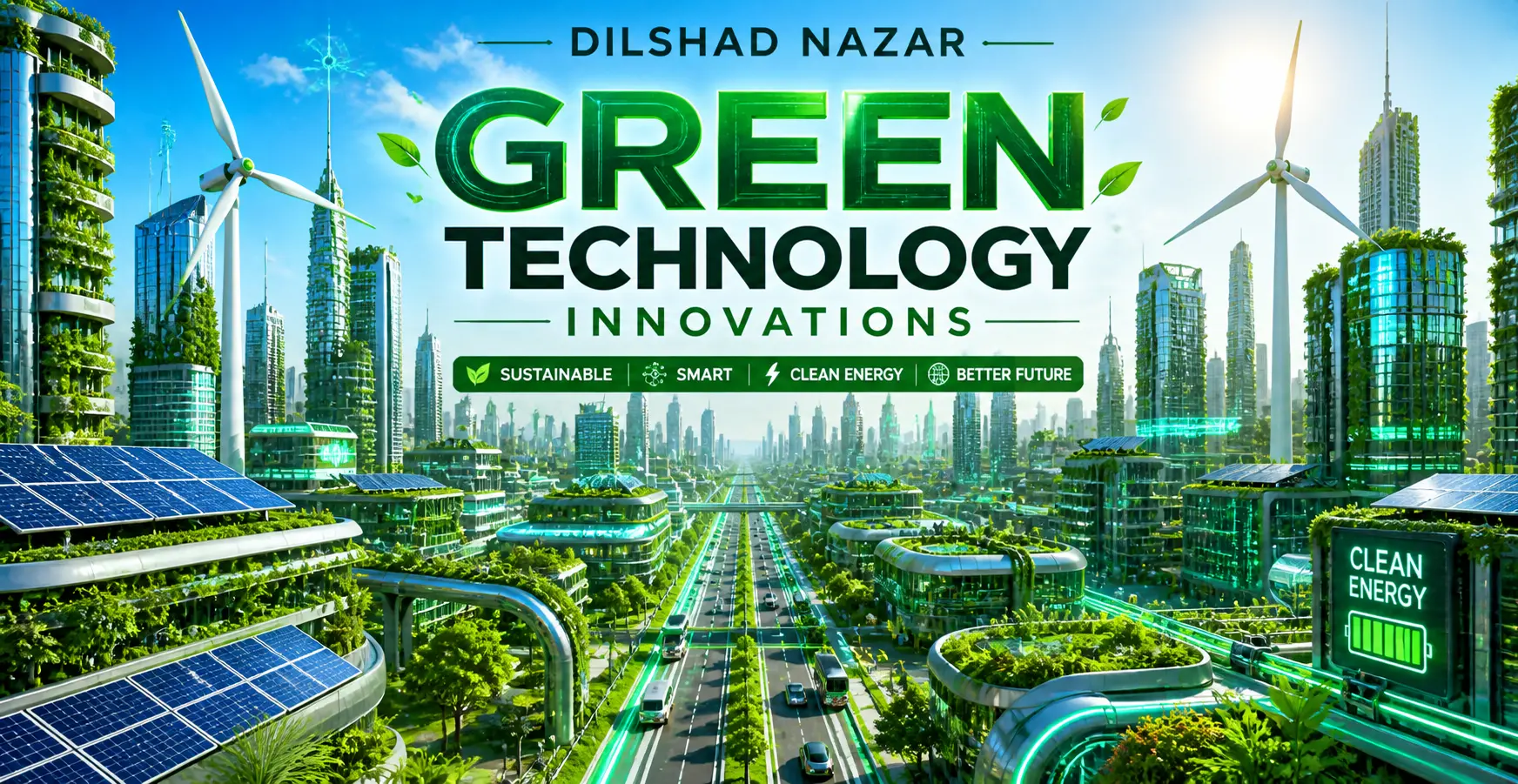
The world today is changing faster than ever, and one of the biggest drivers of this change is green technology innovation. As climate change, pollution, and resource depletion become serious global concerns, scientists, engineers, and companies are working hard to develop smarter, cleaner, and more sustainable solutions.
Green technology, also called clean technology or environmental technology, focuses on reducing harm to the environment while still supporting human progress. It includes everything from renewable energy systems to eco-friendly transportation and smart waste management systems.
In simple words, green technology is about doing more with less damage to nature. This article will walk you through the most important green technology innovations how they work, and why they matter for our future.
What is Green Technology?
Green technology refers to the use of science and innovation to create products, systems, and processes that are environmentally friendly.
Its main goals are:
- Reduce carbon emissions
- Save natural resources
- Improve energy efficiency
- Minimize waste and pollution
- Support sustainable development
Unlike traditional technology, which often depends on fossil fuels and harmful materials, green technology aims to protect ecosystems and reduce environmental impact.
Why Green Technology Matters
Before exploring innovations, it is important to understand why green technology is so necessary.
Climate Change Crisis
Rising global temperatures are causing floods, droughts, heatwaves, and melting glaciers. Green technology helps reduce greenhouse gas emissions.
Pollution Control
Air, water, and soil pollution are increasing due to industrial waste and fossil fuel usage. Clean technologies reduce this damage.
Limited Natural Resources
Resources like coal, oil, and gas are not infinite. Green solutions promote renewable alternatives.
Sustainable Future
To ensure future generations can live comfortably, we need systems that do not destroy the planet.
Green Energy Innovations
One of the biggest areas of green technology is renewable energy.
Solar Energy Technology
Solar power converts sunlight into electricity using solar panels.
Recent innovations include:
- High-efficiency photovoltaic cells
- Solar roof tiles (instead of traditional panels)
- Flexible solar panels for portable devices
- Solar farms that generate power for entire cities
Solar energy is clean, renewable, and becoming more affordable every year.
Wind Energy Technology
Wind turbines convert wind into electrical power.
Modern innovations include:
- Floating wind farms in oceans
- Vertical-axis wind turbines for cities
- Larger and more efficient turbine blades
- AI-based wind prediction systems
Wind energy is now one of the fastest-growing energy sources in the world.
Hydropower Innovation
Hydropower uses moving water to generate electricity.
New developments include:
- Small-scale hydro systems for rural areas
- Fish-friendly turbines
- Low-impact dams that protect ecosystems
Hydropower remains a stable and reliable energy source.
Electric Vehicles (EVs)
Transportation is one of the largest sources of pollution. Electric vehicles are changing that.
How EVs Work
Instead of gasoline, electric vehicles use rechargeable batteries.
Key Innovations in EVs:
- Fast-charging technology (charging in minutes instead of hours)
- Longer battery life using lithium-ion and solid-state batteries
- Self-driving electric cars
- Solar-powered EV charging stations
Companies like Tesla, Toyota, and BYD are leading this revolution.
Electric vehicles help reduce air pollution and dependency on fossil fuels.
Green Building Technology
Buildings consume a huge amount of energy. Green architecture aims to change that.
Features of Green Buildings:
- Energy-efficient lighting and appliances
- Smart temperature control systems
- Solar panels on rooftops
- Rainwater harvesting systems
- Use of recycled and eco-friendly materials
Smart Glass Technology
Special glass can adjust its transparency based on sunlight, reducing the need for air conditioning.
Net-Zero Buildings
These types of technology buildings produce as much energy as they consume, making them highly sustainable.
Smart Waste Management
Waste management is a major environmental challenge. Green technology is improving how we handle waste.
Innovations in Waste Management:
- AI-powered recycling systems that sort waste automatically
- Waste-to-energy plants that convert trash into electricity
- Biodegradable packaging materials
- Smart bins that notify when they are full
These systems help reduce landfill waste and pollution.
Water Conservation Technologies
Water scarcity is becoming a serious issue in many countries.
Smart Water Systems:
- Drip irrigation in agriculture (saves water in farming)
- Water recycling systems in industries
- Smart sensors that detect leaks in pipelines
- Desalination plants that turn seawater into drinking water
These innovations help manage water more efficiently.
Artificial Intelligence in Green Technology
AI is playing a major role in environmental protection.
How AI Helps:
- Predicting climate changes
- Optimizing energy use in smart grids
- Monitoring deforestation using satellite images
- Improving recycling systems
- Reducing energy waste in industries
AI makes green technology more accurate and efficient.
Sustainable Agriculture Technology
Agriculture is essential for survival, but it also impacts the environment.
Green Farming Innovations:
- Vertical farming in cities
- Hydroponics (growing plants without soil)
- Drones for crop monitoring
- Organic pesticides and fertilizers
- Smart irrigation systems
These methods produce more food while using fewer resources.
Carbon Capture Technology
Carbon dioxide is one of the main causes of global warming.
What is Carbon Capture?
It is a technology that captures CO₂ from the air or industrial sources and stores it underground or reuses it.
Applications:
- Power plants
- Factories
- Direct air capture machines
This technology helps reduce the amount of harmful gases in the atmosphere.
Green Consumer Products
Everyday products are also becoming more eco-friendly.
Examples:
- Biodegradable plastics
- Bamboo toothbrushes
- Reusable shopping bags
- Eco-friendly cleaning products
- Organic clothing materials
Consumers are now more aware and prefer sustainable products.
Smart Energy Grids
Traditional electricity systems are outdated. Smart grids use technology to distribute energy efficiently.
Benefits:
- Reduce power outages
- Balance electricity demand
- Integrate renewable energy sources
- Lower energy costs
Smart grids use sensors and AI to improve energy distribution.
Challenges in Green Technology
Even though green technology is promising, it faces some challenges:
High Initial Cost
Many green systems require expensive setup.
Limited Awareness
People and industries still lack awareness in some regions.
Technological Limitations
Some technologies are still developing and not fully efficient.
Infrastructure Issues
Developing countries may lack the infrastructure needed.
Despite these challenges, progress is growing rapidly.
Future of Green Technology
The future of green technology looks very promising.
Experts predict:
- 100% renewable energy cities
- Fully electric transportation systems
- Zero-waste manufacturing industries
- Smart eco-cities powered by AI
- Global reduction in carbon emissions
As innovation continues, the world will move closer to a cleaner and healthier environment.
Conclusion
Green technology is not just a trend—it is a necessity for the survival of our planet. From renewable energy and electric vehicles to smart agriculture and waste management, these innovations are transforming the way we live. The goal is simple: protect the environment while supporting human progress. If governments, companies, and individuals work together, green technology can create a future where economic growth and environmental protection go hand in hand. The shift has already started, and the future is clearly green.
